We are looking for a PhD student to join HER-CARE, a European doctoral network, with a focus on multi-modal ML, imaging, and breast cancer research.
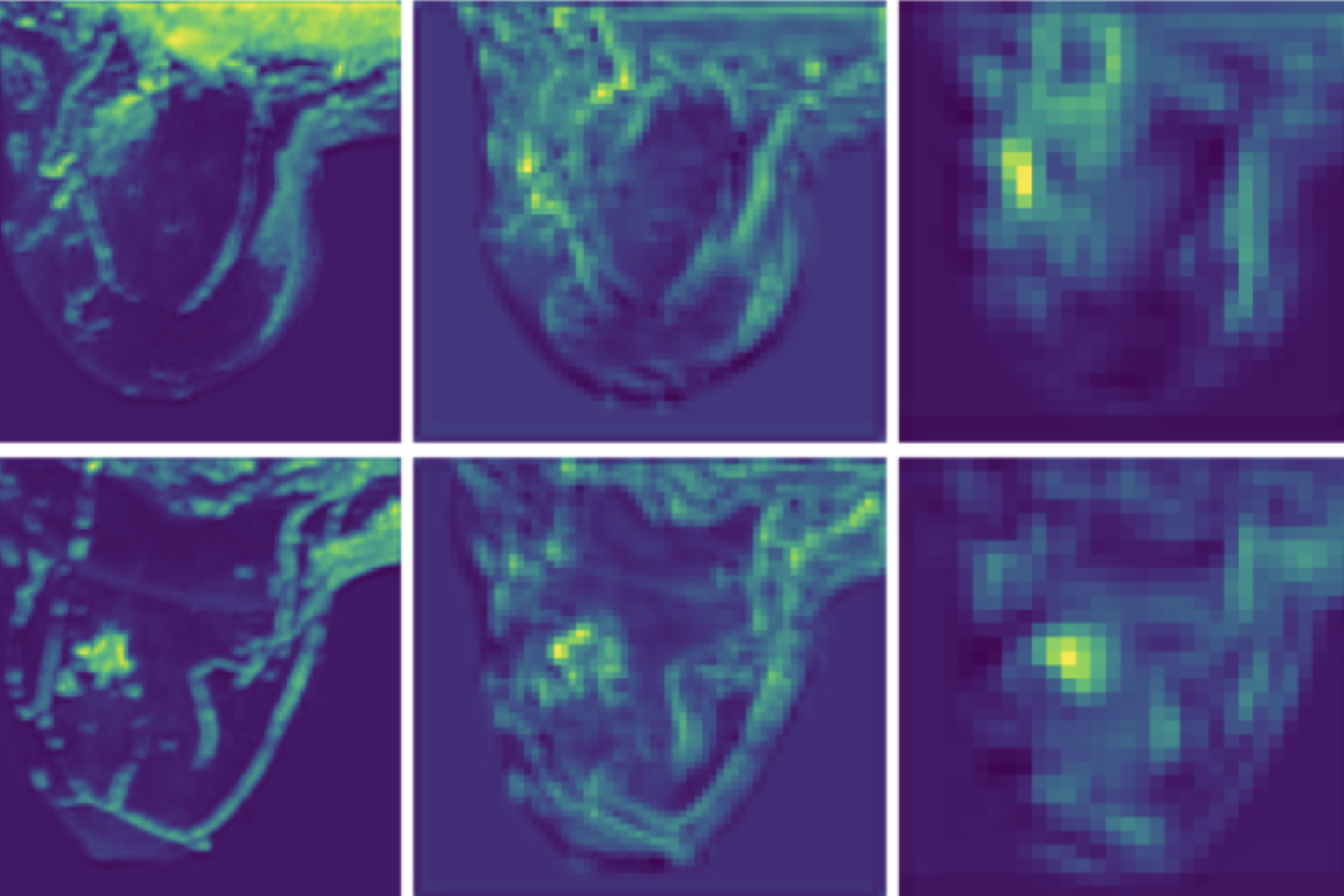
In this PhD project you will develop AI models using imaging together with multi-modal data (e.g., genetics) to predict individual breast cancer progression and tumour aggressiveness. A specific focus is on the linking of modalities from clinical-, genetic-, and multi-parametric MRI data for prediction and the investigation of relationships across modalities. Relevant methods range from vision language models (VLM), multi agent systems (MAS), to transformer models for the representation and structure learning in complex multi-modal data. For instance, we are curious if MAS can be used for biological mechanism discovery from patient data, or if hyper-models can steer the prediction from multi-modal but incomplete patient data. You will be supervised by Georg Langs together with Yen Tan.
The HER-CARE PhD programme encompasses as stay with industry as well as with academic partners. You will be embedded in an interdisciplinary research team with members from machine learning, biomedical technology, medical imaging, and cancer medicine.
Apply via the link until 26.04.2026 for the PhD project “Georg Langs - AI Models Using Imaging and Genetics to Predict Breast Cancer Risk and Tumour Aggressiveness in BRCA Pathogenic variant Carriers”
We use cookies that are technically necessary for the functionality of our website, but also cookies for functional, marketing and analysis purposes to optimise the user experience on our site. With your consent to the cookies, data is processed both by us and by third-party providers, some of which are based in third countries (e.g. the USA). You can find more information about the tools and the partners in our data protection declaration, in which we also explain exactly what data transfer to the USA can mean. You can individually adjust or revoke your cookie settings at any time if you wish.
These cookies are necessary for the basic functions of the website. You can block or delete them in your browser settings, but you then run the risk that some parts of the website will not function properly.
PHPSESSID Technically necessary cookie from the web server.
storage duration: session
fe_typo_user_live Used by TYPO3 as function for user administration.
storage duration: session
Necessary to obtain consent for certain cookies and thus for the use of certain tools.
cookieUser Used to recognise the browser and its cookie history (consent or rejection of particular cookies with date und time) by an anonymised identification number.
storage duration: 1 years
fcc_cookie_consent Cookie Consent
storage duration: 1 years
fcc_cookie_consent_minified Cookie Consent
storage duration: 1 years
cookie_matomo Cookie Consent
storage duration: 1 years
To track users on your website(s) or app(s), the default Matomo Tracking code in JavaScript uses 1st party cookies, which are set on the domain of your website.
pk_ses short lived cookies used to temporarily store data for the visit
storage duration: 30 minutes
pk_id used to store a few details about the user such as the unique visitor ID
storage duration: 13 months