Skip to main content Deutsch

Computational Imaging Research Lab (CIR)

CIR is an interdisciplinary research lab bringing together scientists in machine learning, imaging, medicine, and biology, developing novel methods to understand disease and to improve precision care. 

CIR is a division of the Department of Biomedical Imaging and Image-guided Therapy at the Medical University of Vienna. We are curious about how machine learning has to evolve to make an impact in healthcare. We believe that it has to support treatment decisions, but also needs to advance our understanding of the underlying mechanisms, as in the future it will gain a role in the development of novel treatment strategies. 

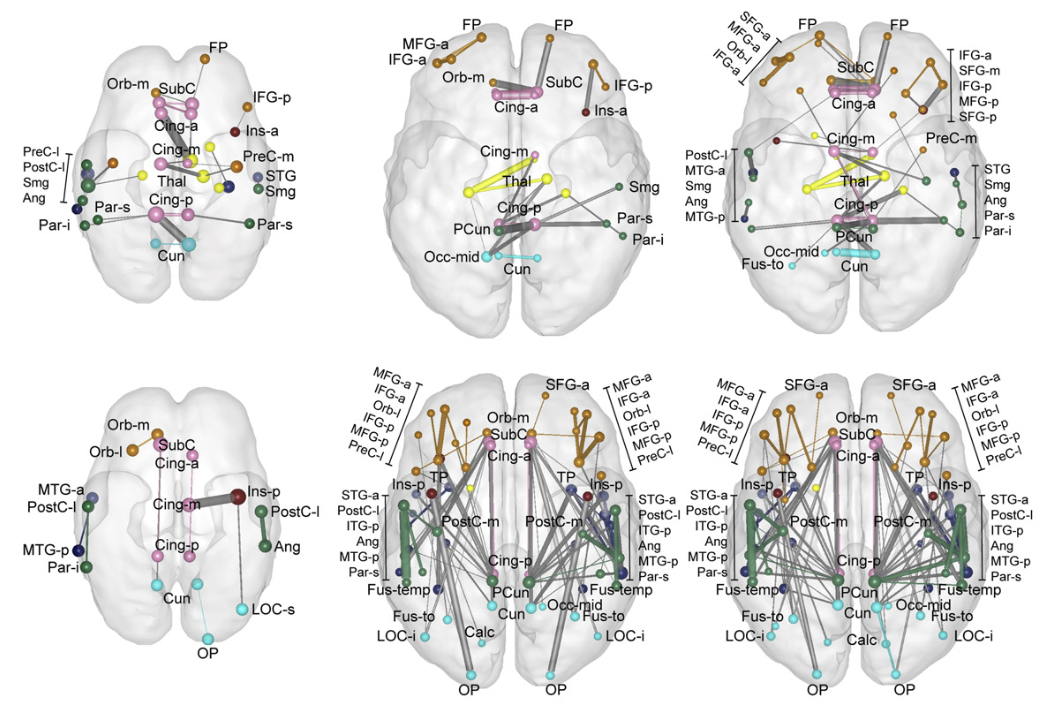
CIR is home to a diverse group of international researcher and three PIs leading their research groups in different areas of machine learning, medical imaging and precision medicine. It is closely linked to many clinical disciplines including radiology, oncology, surgery, paediatrics, pathology and neuroscience. We develop methods to predict disease course and treatment response in breast-, and lung cancer, identify novel treatment targets, or model the reorganization of the brain during disease. We are working with all kinds of imaging incuding radiology, nuclear medicine, pathology, ultrasound, or microscopy data. Sometimes, we perform basic research exploring early brain development, or the evolution of the human brain over the last 77 million years. Lately, we are linking machine learning and simulation in liver disease to bridge the gap between large-scale observations, and mechanistic understanding of disease, and are looking to integrate continually collected fitness tracker data with clinical imaging

Spin-off companies of our members are developing software for clinical radiology, and accurate large-scale clinical annotation campaigns.
Guest Lecture: Mammo-FM: A Domain-Specific Foundation Model for Mammography

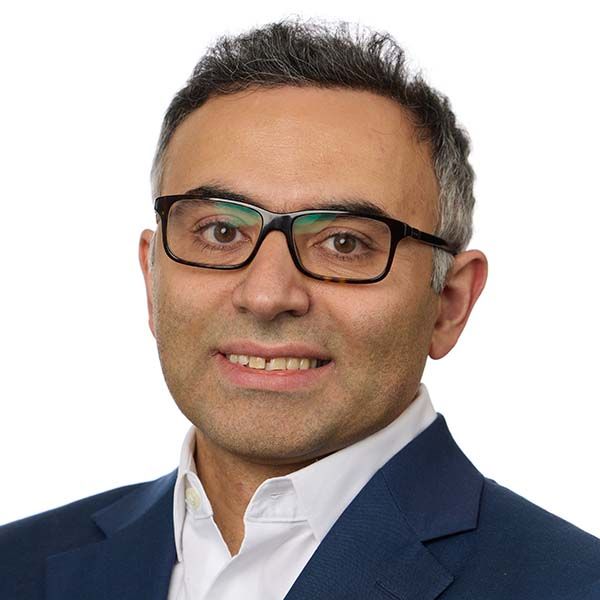
We are pleased to welcome Prof. Kayhan Batmanghelich (Boston University) for a guest lecture on Mammo-FM, the first foundation model specifically designed for mammography. Trained on over 820,000 exams from 140,000 patients, Mammo-FM addresses key challenges in breast imaging and enables tasks such as cancer diagnosis, lesion localization, report generation, and risk prediction. The model outperforms state-of-the-art general-purpose approaches while using fewer parameters. The talk will also highlight emerging work on identifying biases and improving the reliability of medical AI systems.

Date & Time: Friday, 17 April, 2026 at 12:00

Location: Pokieser Seminar Room on 7F

About the speaker: 

Kayhan Batmanghelich, Ph.D., is an Assistant Professor in the Department of Electrical and Computer Engineering at Boston University. His research focuses on the intersection of artificial intelligence and healthcare, with an emphasis on medical imaging, explainable AI, and multimodal learning. He develops domain-specific foundational models that integrate radiological imaging, clinical data, and molecular information to support diagnosis, prognosis, and therapeutic decision-making. Dr. Batmanghelich has led multiple research projects supported by the NIH, NSF, and industry sponsors, and collaborates closely with clinicians to translate machine learning innovations into clinical workflows. He is a recipient of the NSF CAREER, Google Faculty Research Award, and a Junior Faculty Fellow at the Hariri Institute for Computing.

3 open PhD positions

The CIR team is looking for 3 PhD candidates in the areas of machine learning, neuroimaging, neurooncology, and brain development to become PhD students in the doctoral network BRIDGE-AI

MORE

Location How to reach CIR Lab more
Activities The latest .... more