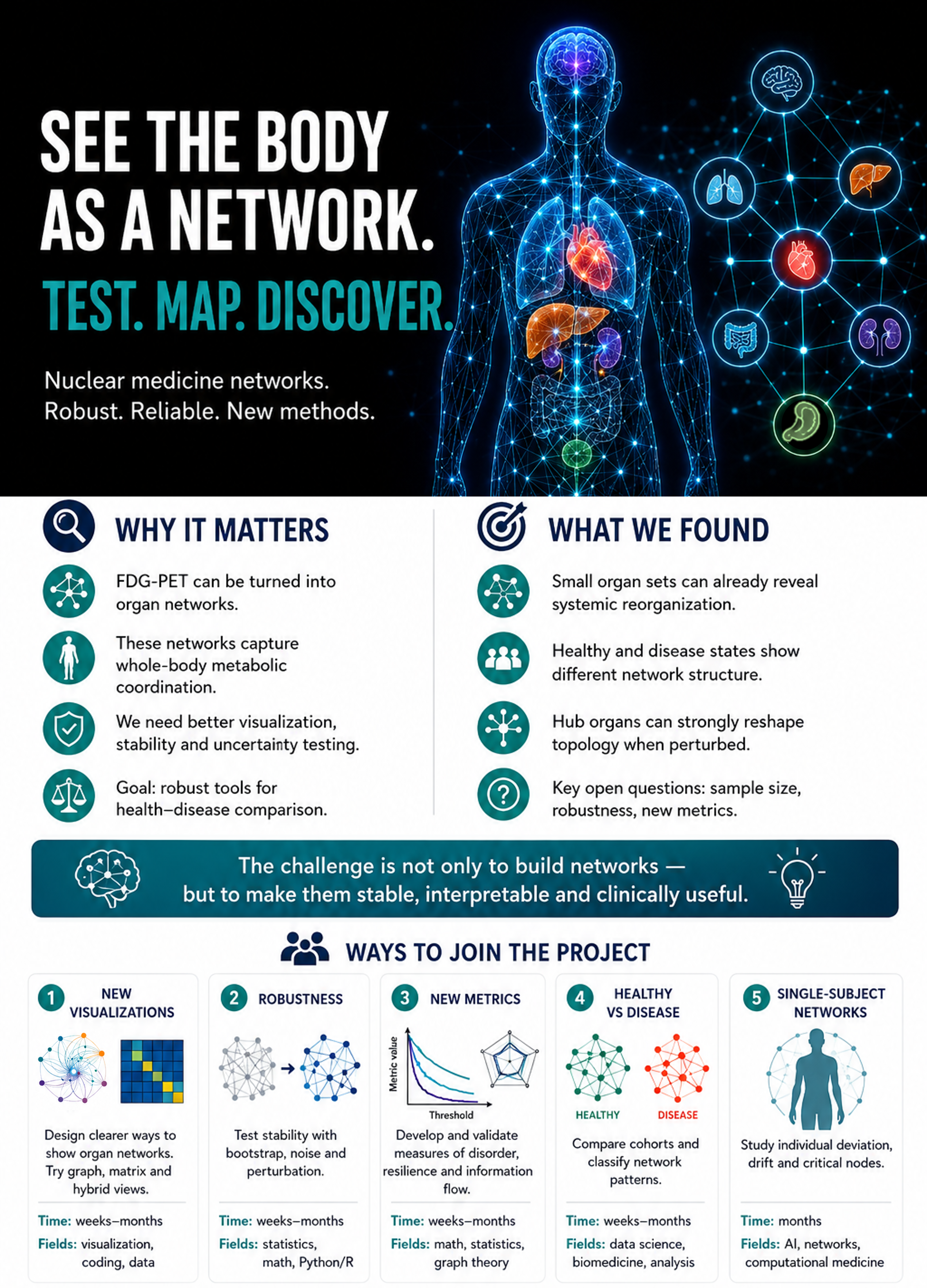
Stress Imaging in Nuclear Medicine
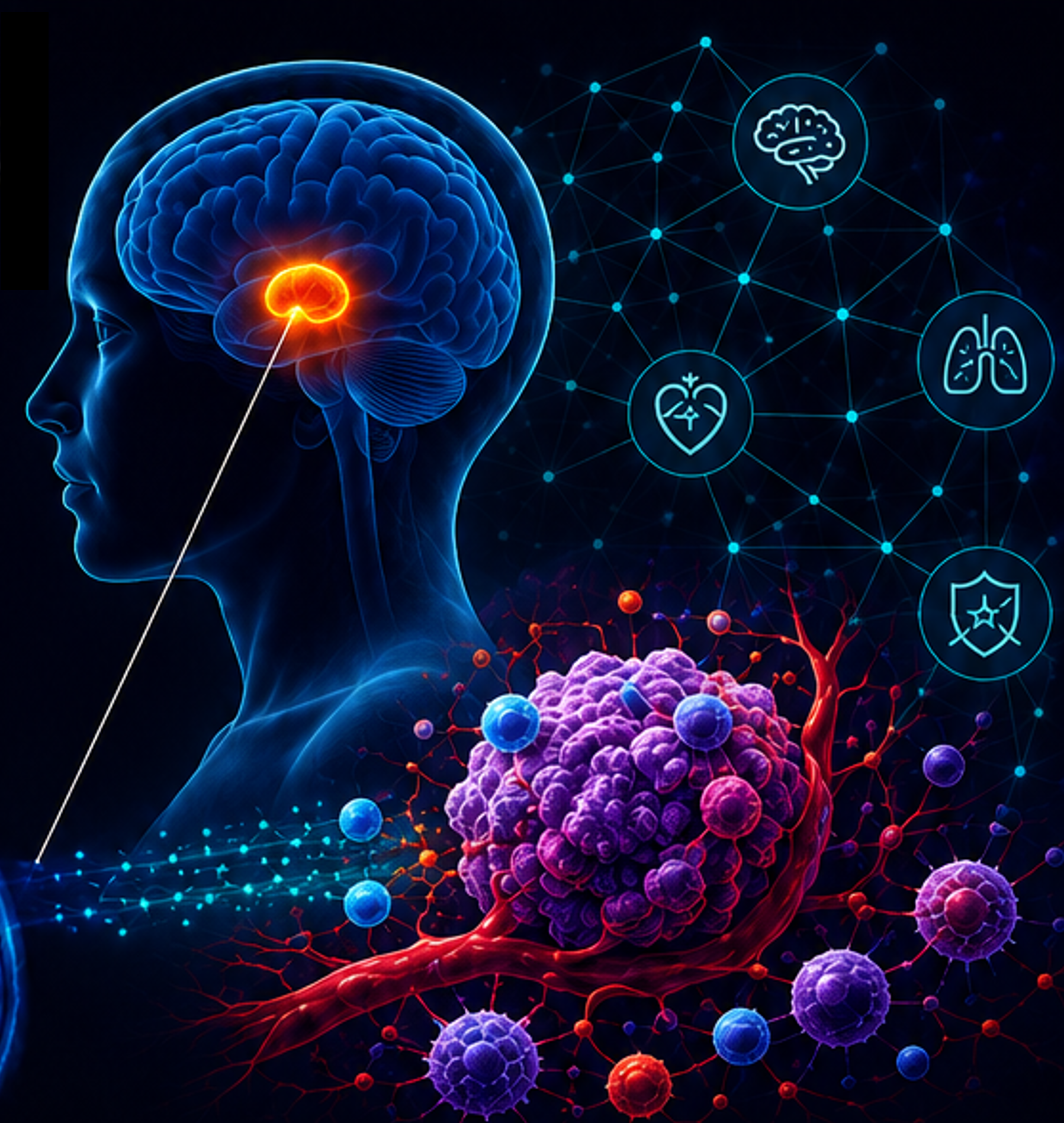
Stress Imaging in Nuclear Medicine
Can chronic stress be measured with FDG-PET. We are interested in the question whether this could help to predict immune status, therapy response and survival.
We are building a translational project that links stress-associated brain activity with tumor biology, immune function and clinical outcome. The project combines quantitative PET imaging, AI, biostatistics, network science and preclinical validation.
We are looking for motivated students, interested in imaging, medicine, biology, data science, statistics or network science.
Join us if you want to work at the interface of nuclear medicine, stress biology and outcome prediction.
Emails to: barbara.geist@meduniwien.ac.at
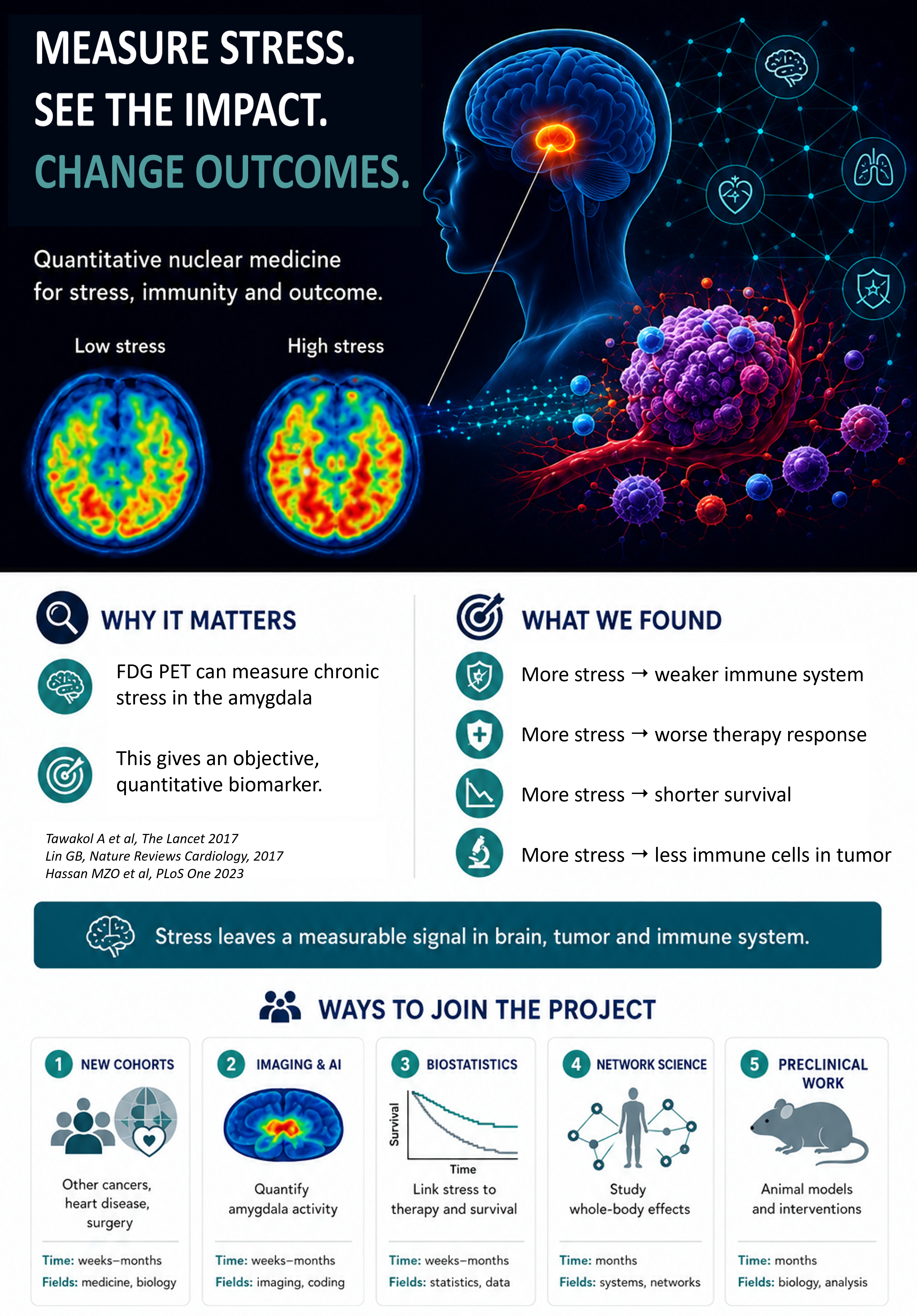
SGLT2 Inhibition and Cardiac Metabolism
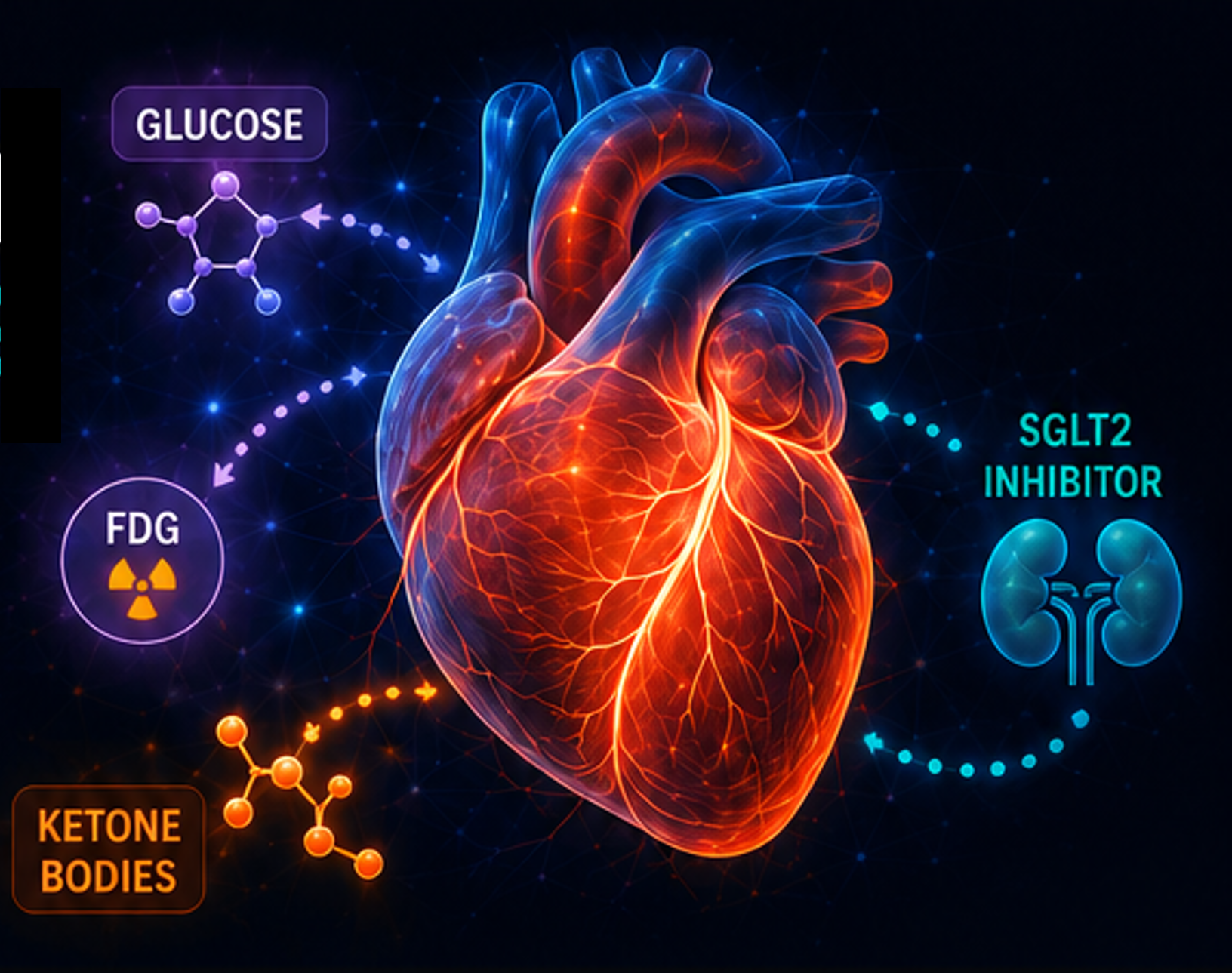
SGLT2 Inhibition and Cardiac Metabolism
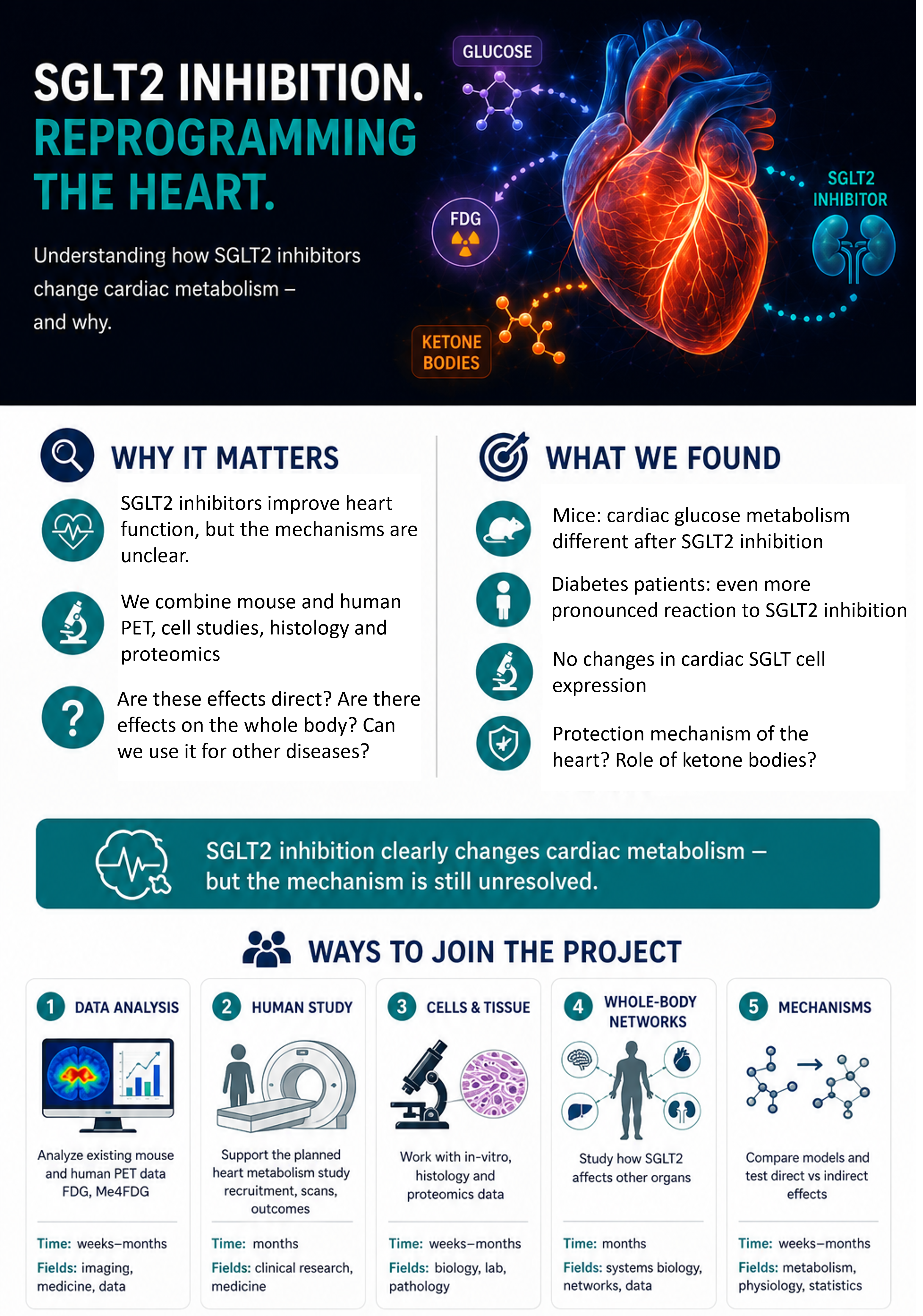
How do SGLT2 inhibitors change cardiac metabolism, and are these effects part of their cardioprotective mechanism?
We are investigating how SGLT2 inhibition reprograms the heart using mouse and human PET data, metabolic imaging, histology, proteomics and whole-body network analysis. The project aims to understand whether changes in cardiac glucose metabolism are direct cardiac effects, systemic metabolic adaptations, or linked to alternative energy substrates such as ketone bodies.
We are looking for motivated students, interested in imaging, nuclear medicine, cardiometabolic research, biology, data science, statistics or network science.
Join us if you want to work at the interface of molecular imaging, cardiac metabolism and translational systems medicine.
Emails to: barbara.geist@meduniwien.ac.at
Nuclear Medicine Networks
Nuclear Medicine Networks
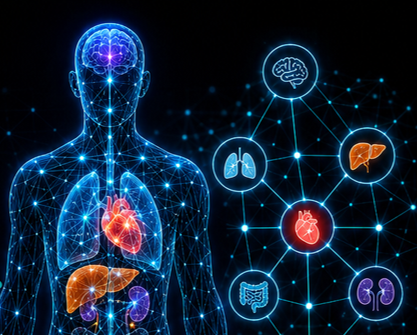
Can FDG-PET be used to see the body as a metabolic network and to detect disease-related reorganization?
We are developing robust whole-body network methods for nuclear medicine imaging. The project uses organ-based FDG-PET data to study metabolic coordination, compare healthy and disease states, identify hub organs and test how stable, interpretable and clinically useful these networks really are.
We are looking for motivated students, interested in nuclear medicine, medical imaging, data science, statistics, graph theory, AI, network science or computational medicine.
Join us if you want to work at the interface of molecular imaging, systems medicine and network-based disease modelling.
Emails to: barbara.geist@meduniwien.ac.at